


Budget-Friendly Solo Travel in Europe

Traveling solo in Europe offers a unique chance to explore new cultures, meet people, and discover yourself. But traveling alone can sometimes feel expensive or overwhelming, especially on a tight budget. This guide shares practical tips to help you enjoy your solo European adventure without breaking the bank.
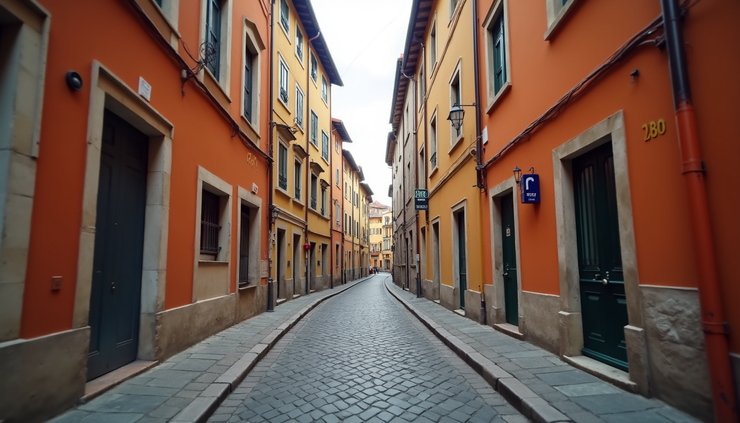
Choose Budget-Friendly Solo Travel Destinations
Europe has a wide range of cities and countries, each with different costs. Some places are known for being budget-friendly, making them ideal for solo travelers who want to stretch their money.
Eastern Europe offers great value. Cities like Budapest, Krakow, and Sofia have affordable accommodation, food, and attractions.
Portugal is cheaper than many Western European countries, with Lisbon and Porto providing a mix of culture and budget options.
Spain has cities like Valencia and Seville where you can enjoy local life without high prices.
Avoid expensive cities like Paris, London, or Zurich if you want to save money, or limit your stay there.
Plan Your Budget-Friendly Travel Dates Wisely
Travel costs vary depending on the season. Choosing the right time to visit can save you a lot.
Visit during the shoulder seasons (spring and autumn). The weather is still pleasant, but prices for flights and accommodation drop.
Avoid traveling during major holidays or festivals unless you want to experience them and have a bigger budget.
Booking flights and trains well in advance often results in cheaper tickets.
Find Budget-Friendly Accommodations
Accommodations are one of the biggest expenses when traveling solo. Luckily, Europe offers many affordable options.
Hostels are great for solo travelers. They are cheap, social, and often located in city centers.
Use platforms like Airbnb or budget hotels for private rooms at reasonable prices.
Consider couchsurfing to stay with locals for free and get insider tips.
Booking accommodation with a kitchen lets you cook meals and save on eating out.
Use Public Transport and Walk
Getting around Europe can be expensive if you rely on taxis or rental cars. Instead, use public transport and your own feet.
Most European cities have efficient and affordable public transport systems like buses, trams, and metros.
Buy day passes or multi-trip tickets to reduce costs.
Walking is often the best way to explore city centers and discover hidden gems.
For intercity travel, book trains or buses early to get discounted fares. Consider budget airlines for longer distances but watch out for extra fees.
Eat Like a Local
Food can quickly eat up your budget if you stick to tourist spots or fancy restaurants.
Shop at local markets for fresh produce, bread, cheese, and snacks.
Try street food or small family-run eateries where prices are lower and food is authentic.
Many cities have affordable lunch menus or daily specials.
Avoid dining near major tourist attractions where prices tend to be higher.
Take Advantage of Free and Low-Cost Attractions
Europe is rich in history and culture, and many attractions are free or inexpensive.
Visit free museums, parks, and landmarks. For example, many museums in Berlin and London offer free entry.
Look for city tourist cards that include free or discounted access to attractions and public transport.
Join free walking tours to learn about the city and meet other travelers.
Attend local events, festivals, or concerts that don’t charge entry fees.
Stay Safe and Connected
Traveling solo means you need to be extra mindful of safety and staying connected without spending too much.
Keep your belongings secure and avoid risky areas, especially at night.
Use apps that work offline for maps and translations to avoid roaming charges.
Buy a local SIM card or use affordable international plans for data.
Share your itinerary with family or friends and check in regularly.
Pack Smart and Light
Packing efficiently can save money and stress during your trip.
Bring versatile clothing suitable for different weather and occasions.
Avoid checked baggage fees by traveling with a carry-on only.
Pack essential items like a reusable water bottle, snacks, and a power bank.
A good pair of walking shoes will save your feet and let you explore more on foot.
Meet Other Travelers and Locals
Solo travel doesn’t mean being alone all the time. Meeting others can enrich your experience and sometimes save money.
Stay in hostels or guesthouses with social spaces.
Use apps or websites to find meetups, language exchanges, or group tours.
Join cooking classes, workshops, or local tours to connect with people.
Making friends can lead to shared meals, travel tips, or even free accommodation offers.
Manage Your Budget Carefully
Keeping track of your spending helps you avoid surprises and stay within your limits.


Comments